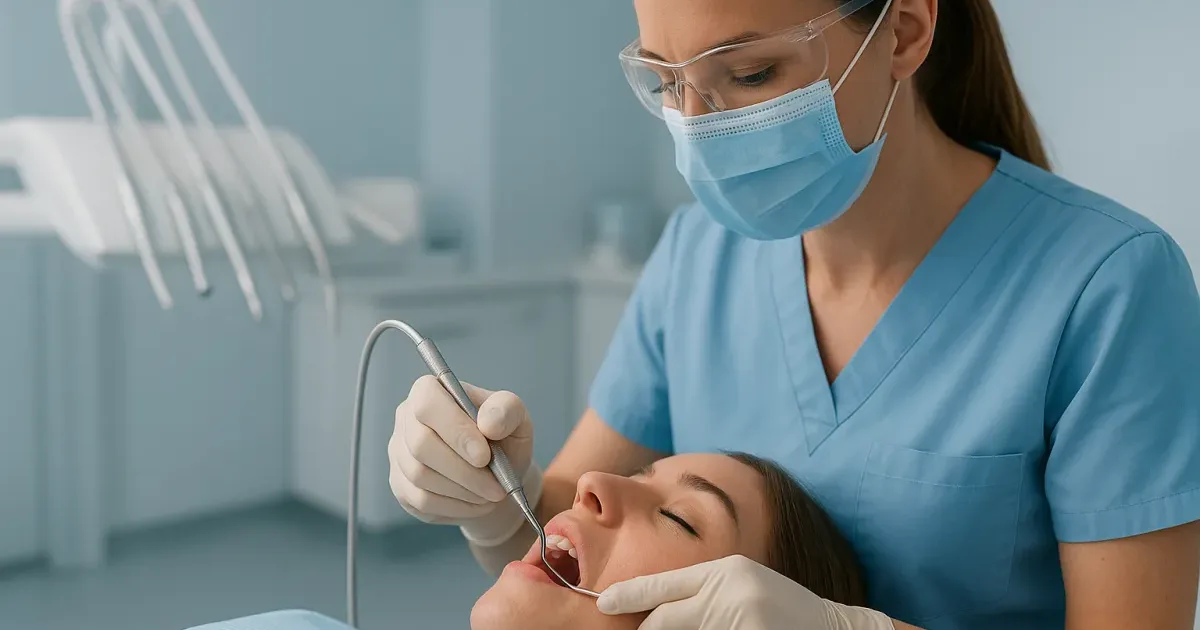
Tooth Sensitivity: Causes, Treatment, and How to Prevent the Pain
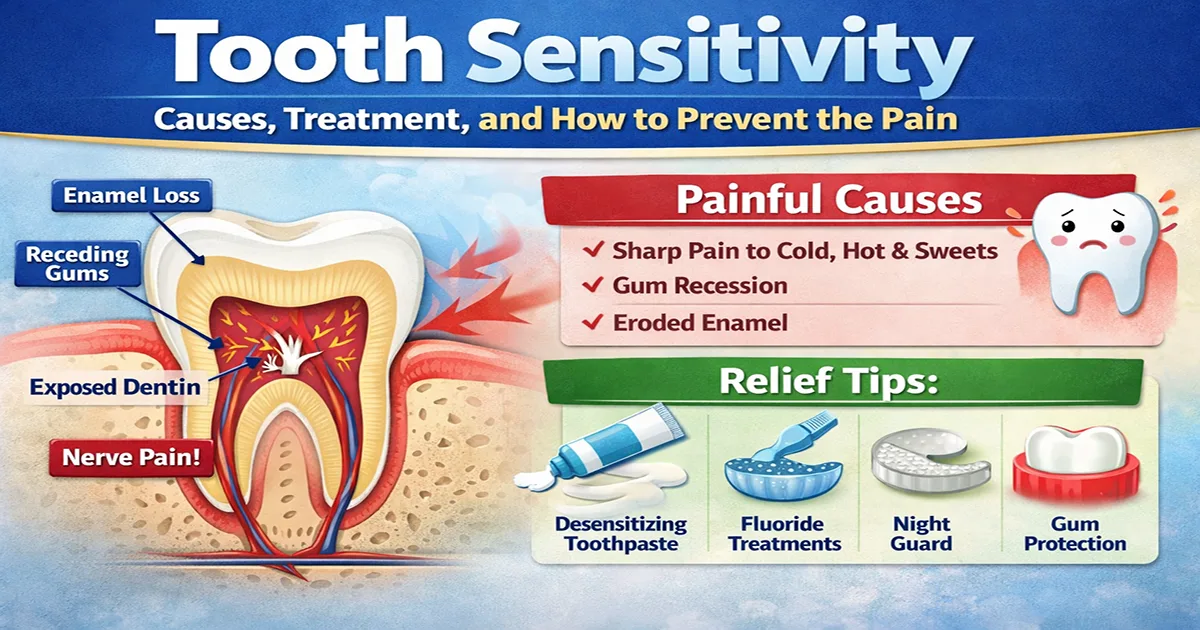
Tooth sensitivity is a common dental condition that causes sharp pain when exposed dentin reacts to temperature, sweets, or touch. This article explains causes, symptoms, treatments, prevention strategies, and clinical insights. ⚡
Key Takeaways
- Tooth sensitivity occurs when enamel wears down or gums recede, exposing dentin and nerve pathways. Common triggers include cold, heat, sweets, and brushing. Treatments range from desensitizing toothpaste and fluoride to bonding or gum grafting depending on severity. Early diagnosis prevents complications and long-term discomfort.
Who Is This For?
This article is for: Adults experiencing sharp pain when consuming hot, cold, sweet, or acidic foods and beverages.
The Technology Behind the Treatment
Modern diagnosis may include digital X-rays and intraoral cameras to detect enamel loss, fractures, or failing restorations contributing to sensitivity. Laser desensitization therapy may also be considered in select cases to seal dentinal tubules.
Tooth sensitivity is one of the most common dental complaints among adults. That sudden discomfort — whether triggered by hot coffee, cold desserts, or even brushing — can range from mildly annoying to seriously painful.
The good news? Sensitivity is treatable once the underlying cause is identified. Let’s explore what your teeth might be trying to tell you.
🦷 What Is Tooth Sensitivity?
Tooth sensitivity, also called dentin hypersensitivity, occurs when the protective enamel layer wears down or when gum recession exposes the root surface. Beneath enamel lies dentin — a porous tissue filled with microscopic tubules that connect to the tooth’s nerve.
Understanding the Clinical Diagnosis
Dentists evaluate sensitivity using clinical examination, air stimulus tests, percussion tests, and radiographs. Differentiating between dentin hypersensitivity and pulpal pain is critical for accurate treatment.
When dentin becomes exposed, stimuli like temperature changes or sugary foods can directly activate the nerve, producing that familiar sharp pain.
🔍 Common Causes of Sensitive Teeth
Several dental conditions and habits can lead to sensitivity:
• Enamel erosion from acidic foods or beverages• Gum recession exposing root surfaces• Aggressive brushing or hard-bristled toothbrushes• Teeth grinding (bruxism)• Untreated cavities• Cracked or chipped teeth• Worn fillings• Recent dental procedures
Sometimes sensitivity is temporary, especially after whitening treatments or deep cleaning. Persistent pain, however, signals the need for professional evaluation.
💉 How Is Tooth Sensitivity Treated?
Treatment depends on the cause:
Desensitizing toothpaste – Blocks pain signalsFluoride applications – Strengthens enamelDental bonding – Covers exposed dentinGum grafting – For severe recessionNight guards – Protect against grindingFilling or crown repair – If restorations are failing
Your dentist will tailor treatment based on clinical findings.
🏠 Prevention Tips
• Use a soft-bristled toothbrush• Avoid excessive acidic drinks• Brush gently with proper technique• Wear a night guard if you grind teeth• Maintain regular dental checkups• Use sensitivity toothpaste consistently
Remember: Sensitivity is often a symptom, not the disease itself.
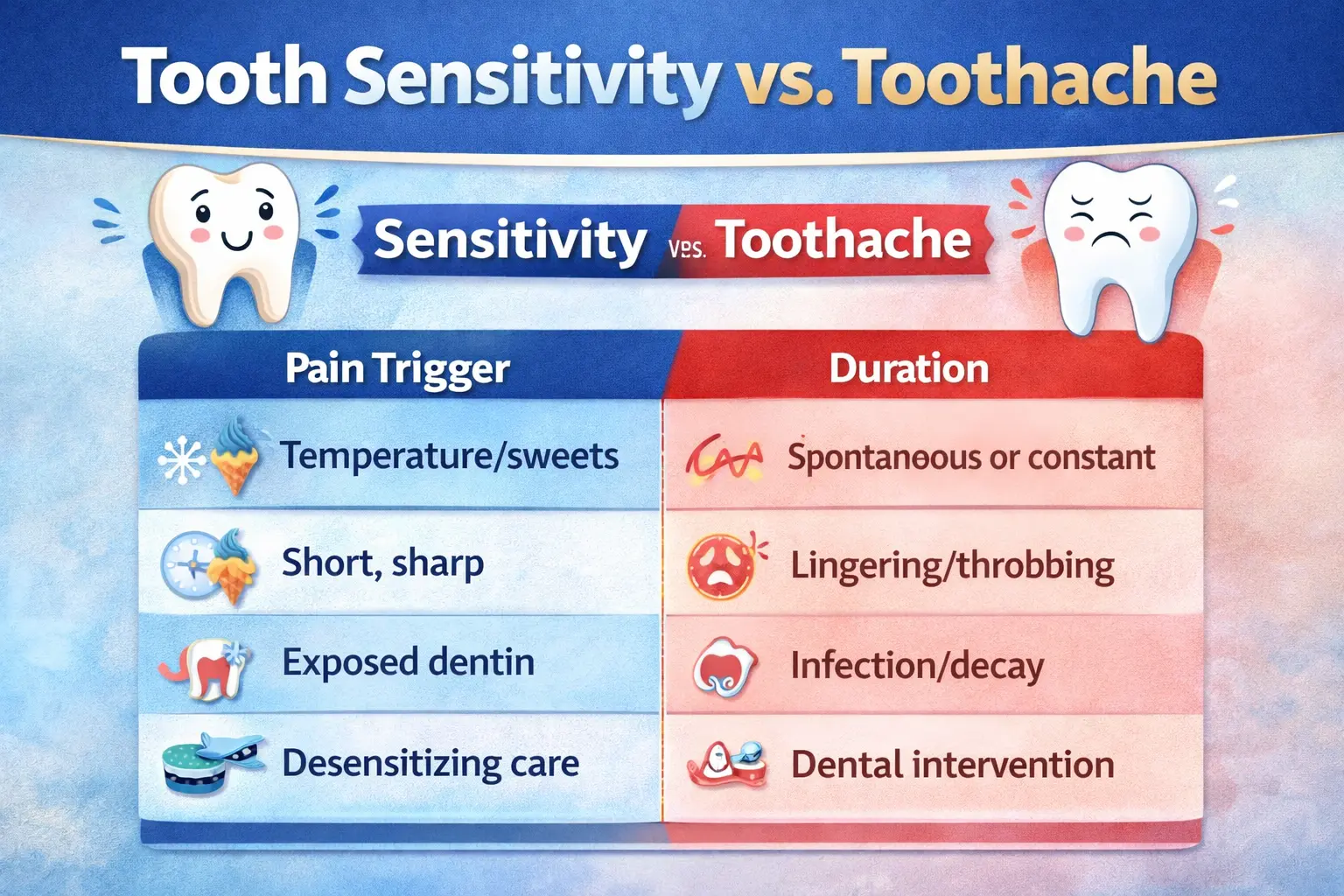
Tooth Sensitivity vs. Toothache
Understanding Tooth Sensitivity
From My Clinical Experience
In my clinical experience, tooth sensitivity is one of the most frequently misunderstood dental complaints. Many patients assume it is a minor issue and delay treatment, but I often find that persistent sensitivity is an early indicator of enamel erosion, gum recession, or microfractures. I typically advise patients to seek evaluation when sensitivity lasts more than a few weeks or begins interfering with daily activities like eating or brushing. In many cases, early intervention with desensitizing agents, fluoride therapy, or minor restorative care provides significant relief. Patients who follow preventive recommendations usually report noticeable improvement within 2–4 weeks.
| Feature | Sensitivity | Toothache |
|---|---|---|
| Pain Trigger | Temperature/sweets | Spontaneous or constant |
| Duration | Short, sharp | Lingering/throbbing |
| Cause | Exposed dentin | Infection/decay |
| Treatment | Desensitizing care | Dental intervention |
Insurance Coverage & Procedure Codes
Treatment codes may vary. Examples include D1206 (topical fluoride varnish) and D1351 (sealant) depending on the clinical approach.
Expert Insight
According to Dr. Pooja Joshi, Persistent tooth sensitivity should never be ignored, as it often signals early structural damage.
Frequently Asked Questions
Is tooth sensitivity a serious problem?
It can be mild, but persistent sensitivity may indicate enamel erosion, cavities, or gum recession requiring treatment.
Can sensitive teeth heal naturally?
Minor sensitivity may improve with proper care, but structural issues need dental treatment.
Does whitening increase sensitivity?
Yes, temporary sensitivity is common after whitening but usually subsides.
Which toothpaste works best?
Desensitizing toothpaste containing potassium nitrate or stannous fluoride is typically recommended.
Conclusion
References
Last Reviewed: All references below were reviewed for clinical accuracy and relevance by Dr. Reshma J. Nilak on February 14, 2026.
- American Dental Association (ADA)Dentin Hypersensitivity. https://www.ada.org Canadian Dental Association (CDA) Sensitive Teeth. https://weence.com Addy M. Journal of Dentistry New Perspectives. Journal of Dentistry
The information provided on this website is for general informational purposes only and should not be considered as professional medical or dental advice. Always consult with a qualified dentist or healthcare provider for diagnosis and treatment of any dental condition.
⚠️ Important: Never disregard professional medical advice or delay seeking treatment because of information you have read on this site.
Last reviewed: February 2026 by our dental experts.
Watch Video
Related Articles